1
/
of
4
EFS 4x4 | Adventure Stockman Bullbar Toyota Land Cruiser 200 Series 2012-2015
EFS 4x4 | Adventure Stockman Bullbar Toyota Land Cruiser 200 Series 2012-2015
Regular price
$2,704.99 NZD
Regular price
Sale price
$2,704.99 NZD
Unit price
/
per
Please note: Some products are sourced to order and may have varying lead times depending on supplier availability.
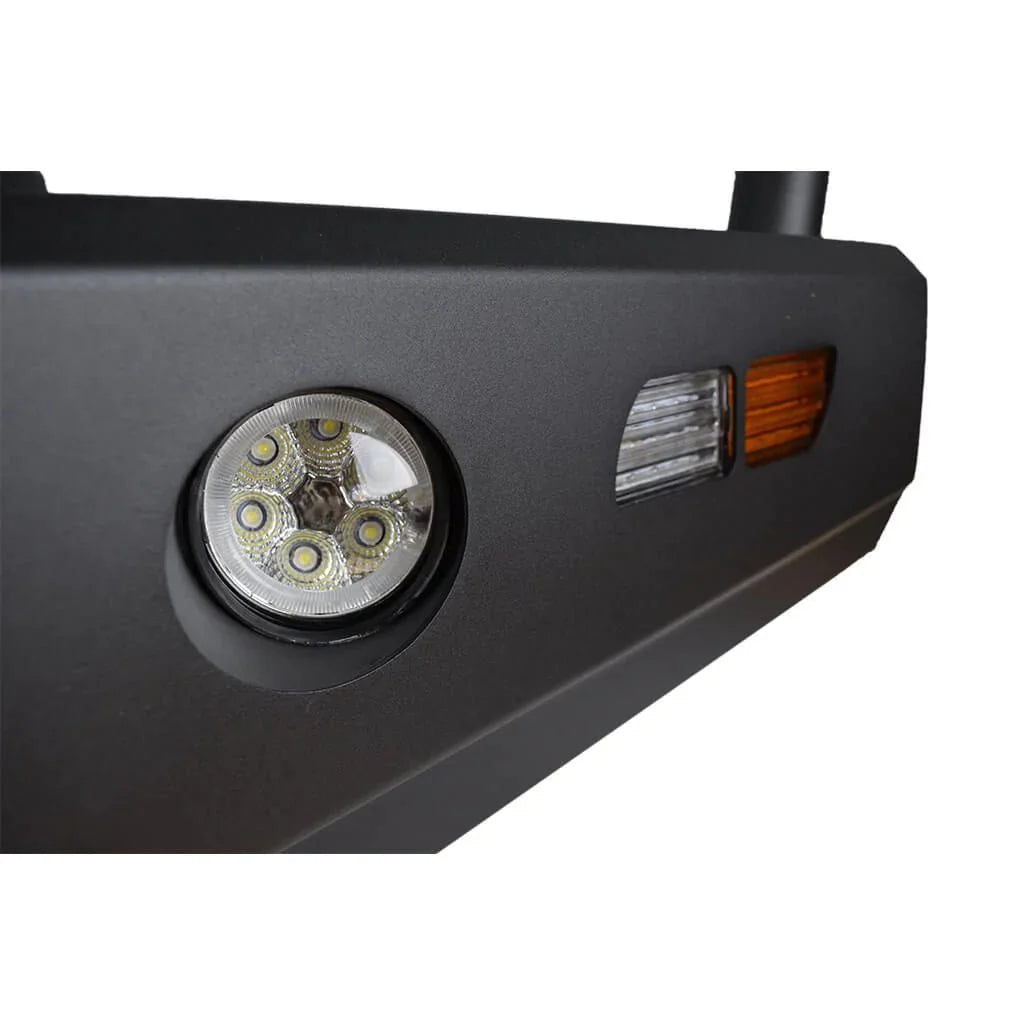
Premium steel 4x4 EFS Adventure Stockman front bullbar to suit the Toyota Land Cruiser 200 Series 2012-2015.
Key Features
- Made from 63mm steel tube
- Powder coated with Endura-Coat for added protection
- Equipped with super bright led driving lights and indicators
- Winch compatible with winch cradle mounting bracket
- Complete with lower bullbar bash plates, twin aerial mounts and CNC headlight infill trims
- 2 x tow points built-in
- Designed and developed in Australia to suit harsh conditions, with salt spray and UV metal coating testing
- Compliant with Australian Design Rule 69 for full frontal impact occupant protection and vehicle airbag safety regulations
- Two-year warranty.
Fitment Notes
- This bar does not have sensor holes/pre-drilled holes allowance for sensor fitment.
- If your vehicle has parking sensors you will require 1 x EFS Bar Parking Sensor Holder, per four sensors. Sensor holes in bars normally require step drilling to 27mm to accept the EFS Bar Parking Sensor Holder.
- Bull bar fitments are not generally suited to DIY installation and, in most cases, will require an experienced installer to undertake fitment. If you are unsure, please feel free to contact us before purchasing.
Important Notice: Sensor Recalibration May Be Required
Some newer generation vehicles are equipped with advanced driver assistance systems (ADAS) that may require sensor recalibration after a bullbar has been installed. This recalibration is something that will need to be performed by your vehicle's dealership or a specialist technician at your own cost.
Please note:
- Not all vehicles require recalibration.
- The need for recalibration is typically identified after installation, if fault codes appear or warning lights display on your vehicle’s dashboard.
- If no faults appear, no further action is required.
- If faults are present, recalibration is necessary to ensure your vehicle's safety systems continue to operate correctly.
Couldn't load pickup availability